Colombia is known worldwide as a huge coffee producer, they also claim that their coffee is the best. This serious self-designation shouldn’t be taken lightly and therefore it was crucial for us to visit a coffee plantation while we were in Colombia. What? It wasn’t a self accusation but it is worldly known? Well, it just makes a visit to a coffee plantation while in Colombia even more crucial, innit?
Colombia is the third biggest coffee producer after Brazil and Vietnam. Indonesia lays on the 4th in this rank. The Colombian Coffee region is known as Eje Cafetero or the coffee triangle, and do you know that in 2011, this region was declared as the “Coffee Cultural Landscape of Colombia”, a World Heritage site? Well, now you know and you’re welcome 🙂 This coffee triangle is made up by tree main coffee producer areas: Caldas, Quindio, and Risalda. We went to Quindio area and stayed at Salento, a calm village in the north-east of Quindio. Check out my article about the village here.
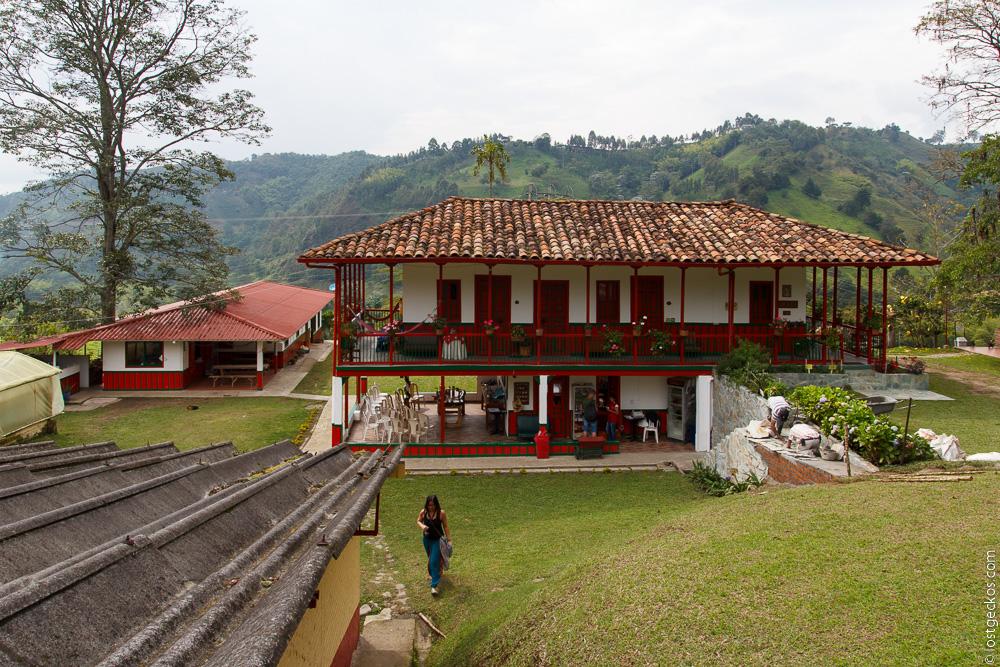
There are few coffee plantations (or what they call it as fincas) located just about half of an hour from Salento. We decided to visit finca El Ocaso, a coffee plantation run by a family from generation to generation. El Ocaso has 6 coffee tours in English that start every two hours and the earliest starts at 9 AM. The regular tour fee was only about 4 USD per person and the tour itself lasted about an hour and a half.
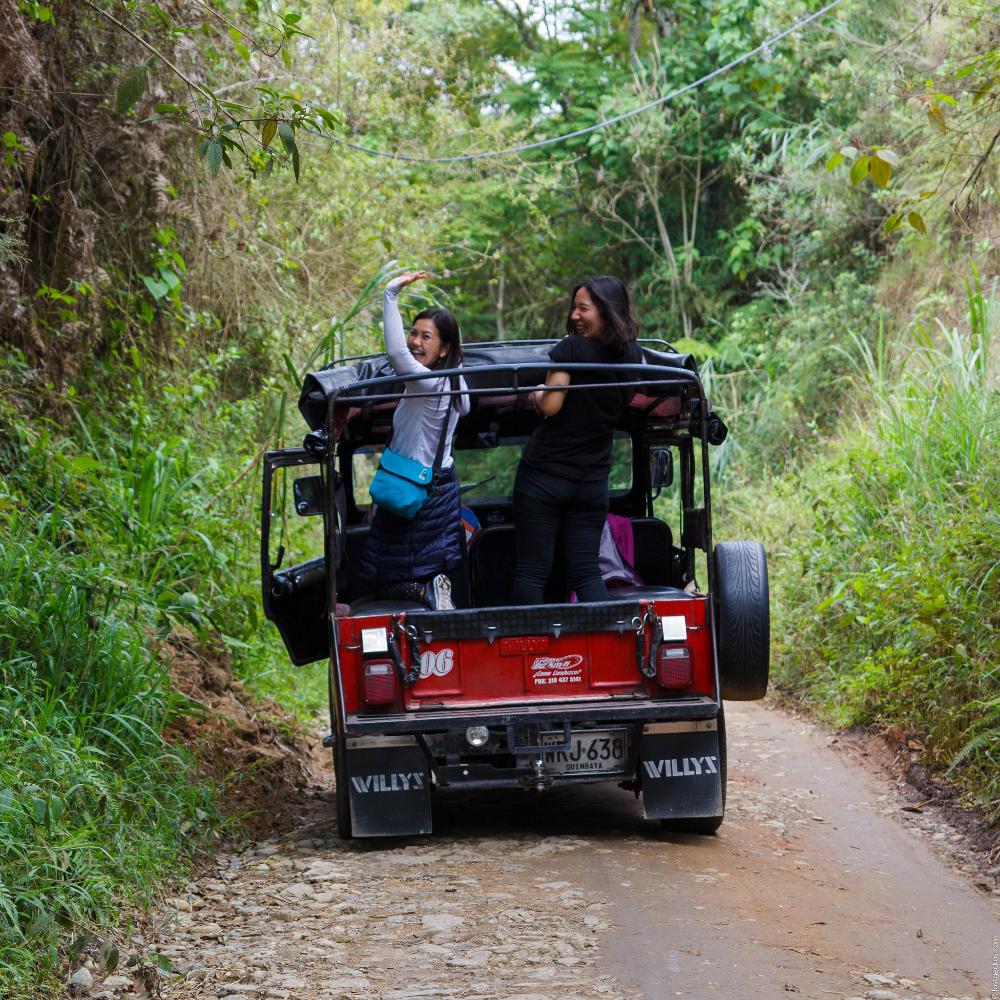
The tour
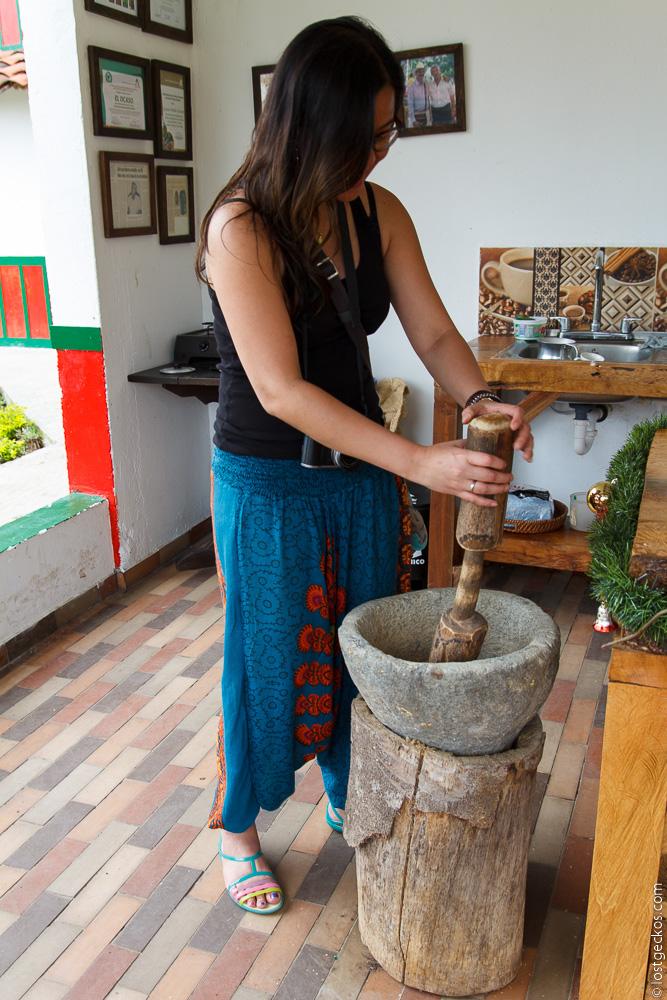
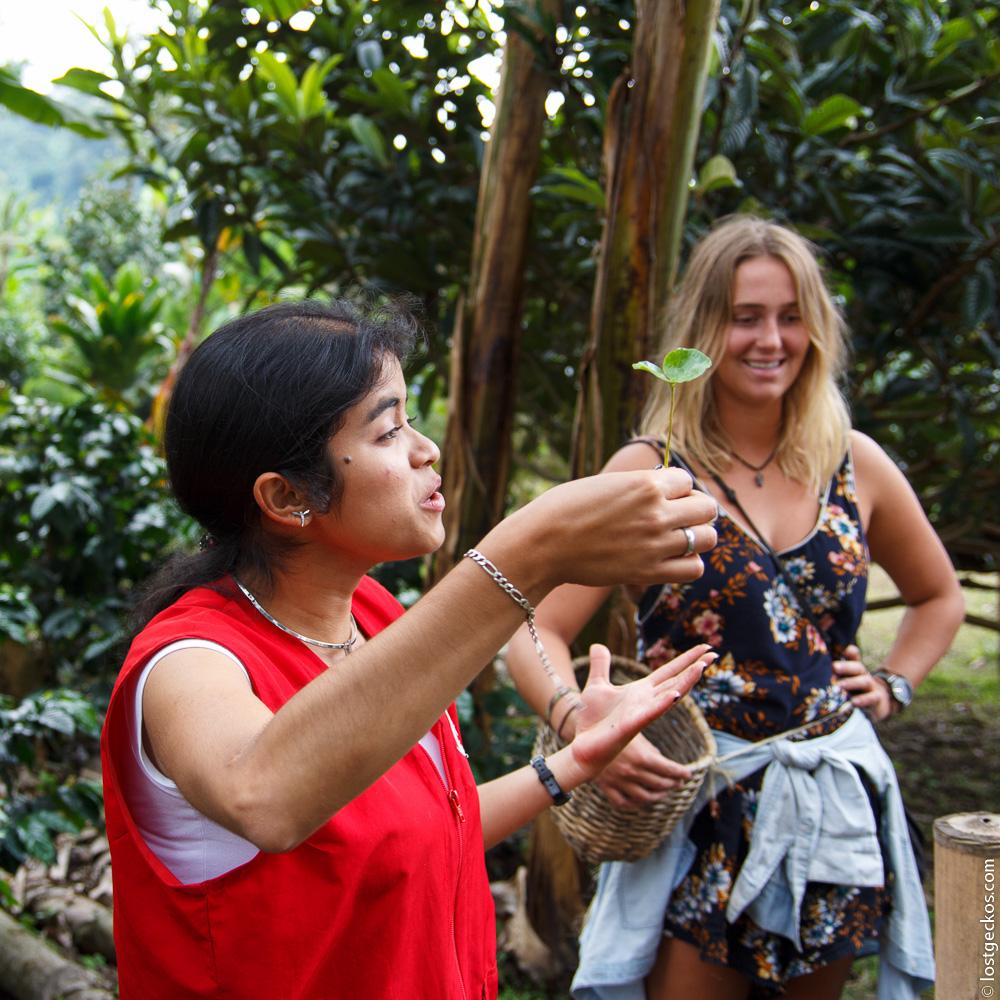
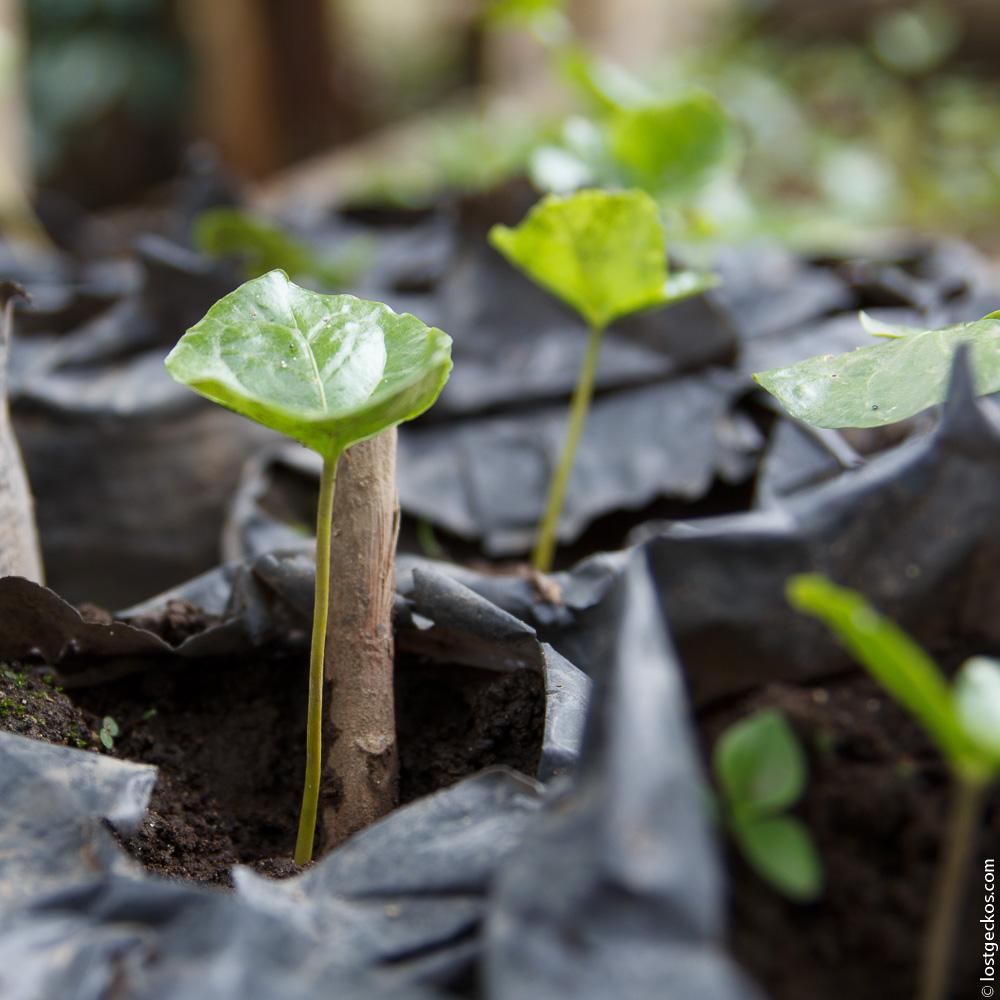
Our tour started at 1 PM and there were about 5 other people joining. Our guide, Jasmina, was very knowledgeable about Colombian coffee. The tour started with a 10 minutes quick class on how the coffee grows. According to Jasmina, Colombia mostly grows the mild and well balanced Arabica coffee beans. After the quick class, Jasmina let us plant our own coffee bean, which means in 15 to 20 years (if heaven permits), there will be a coffee tree in this plantation planted by a hot Indonesian. Ha!
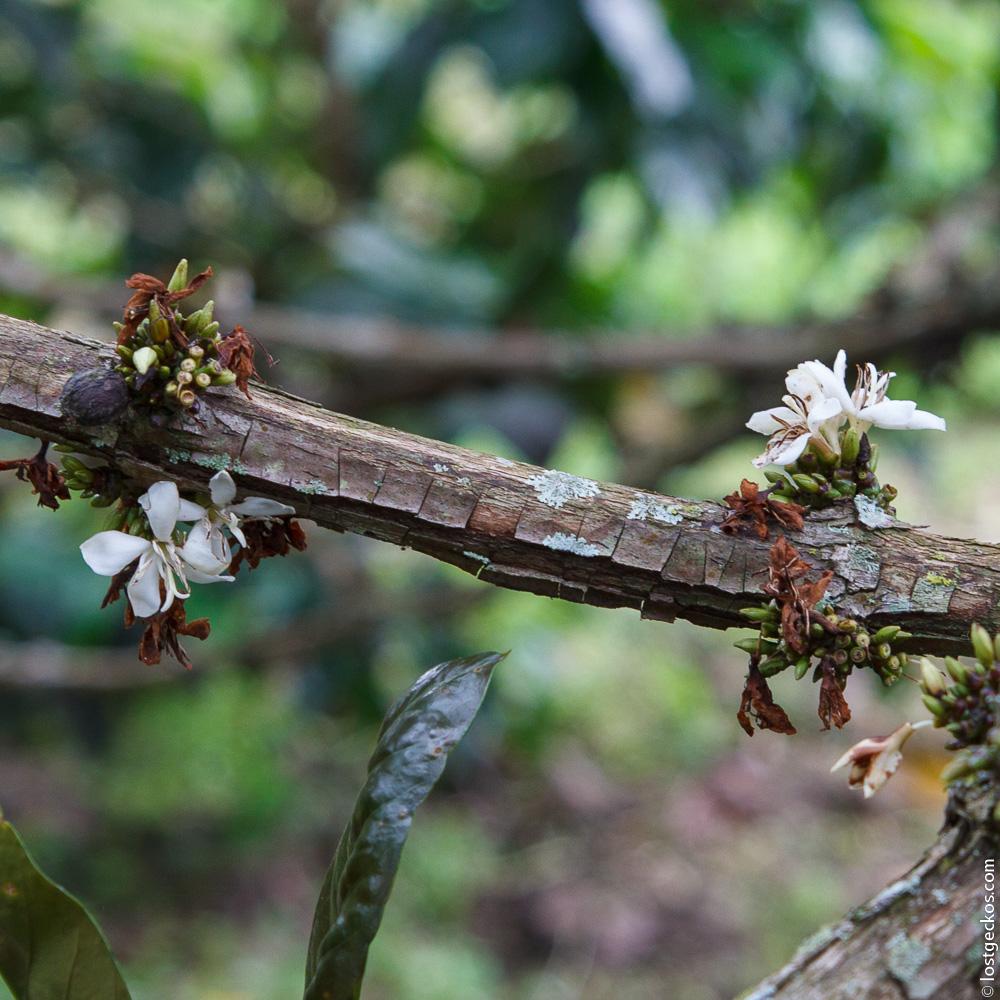
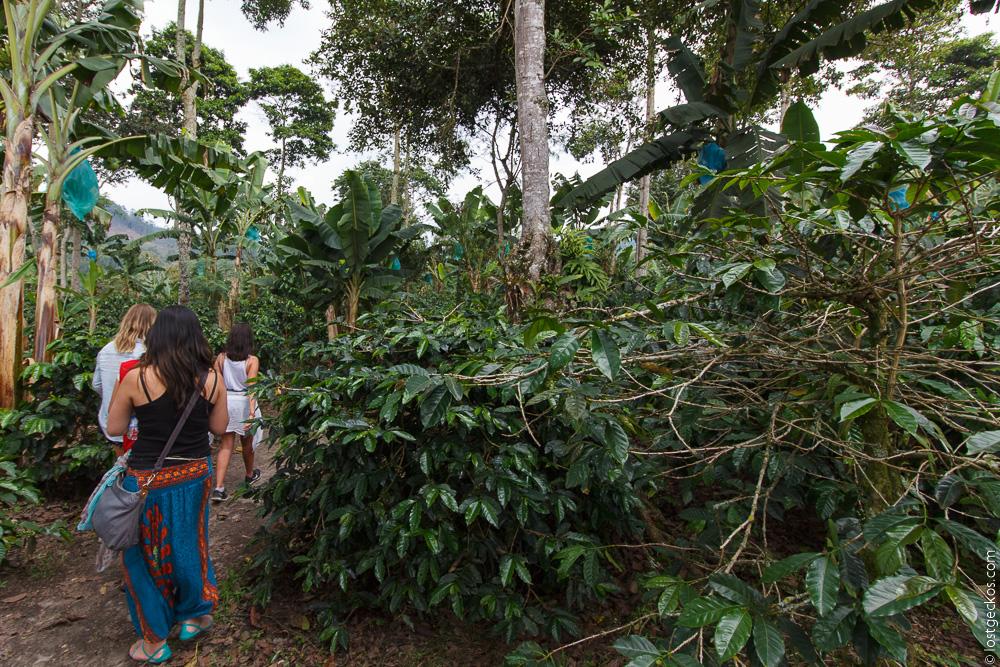
In harvest season, this plantation cultivates hundreds of tons of perfectly ripe coffee beans. These beans will undergo a chain of process before it is finally bagged and sold around the world. High quality beans are mostly sold for export, which means most coffee beans sold IN Colombia itself is the 2nd class quality beans a.k.a the rejected-not-good-enough-for-selling beans. Sad truth.
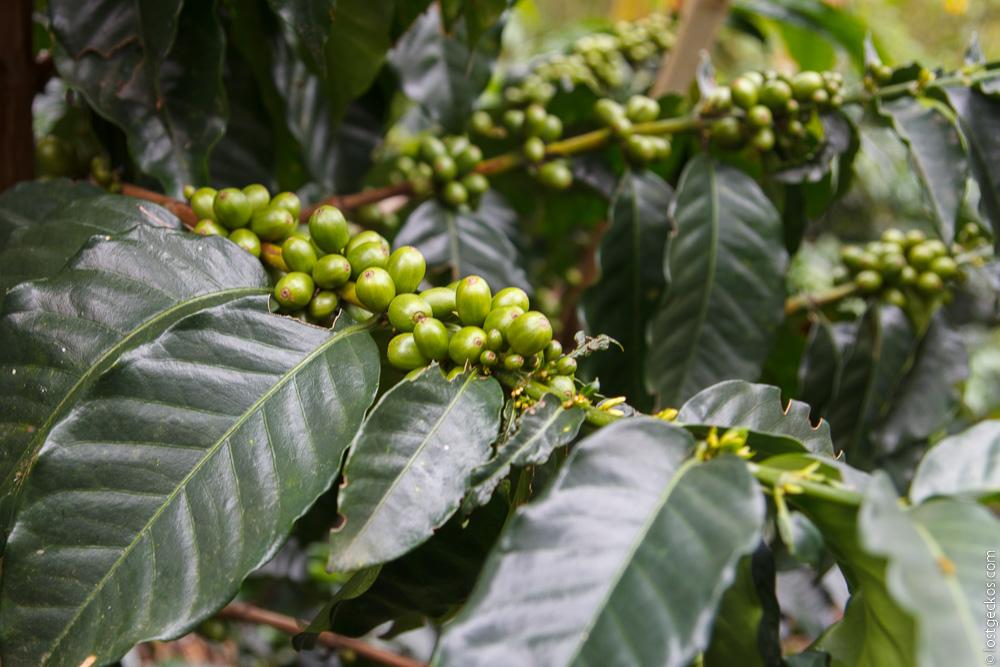
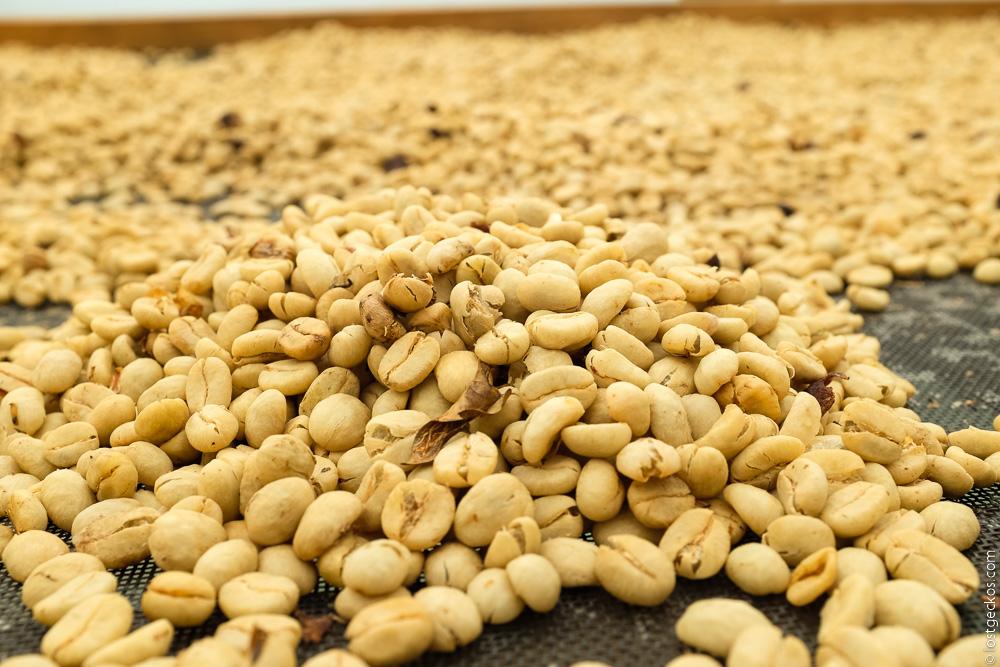
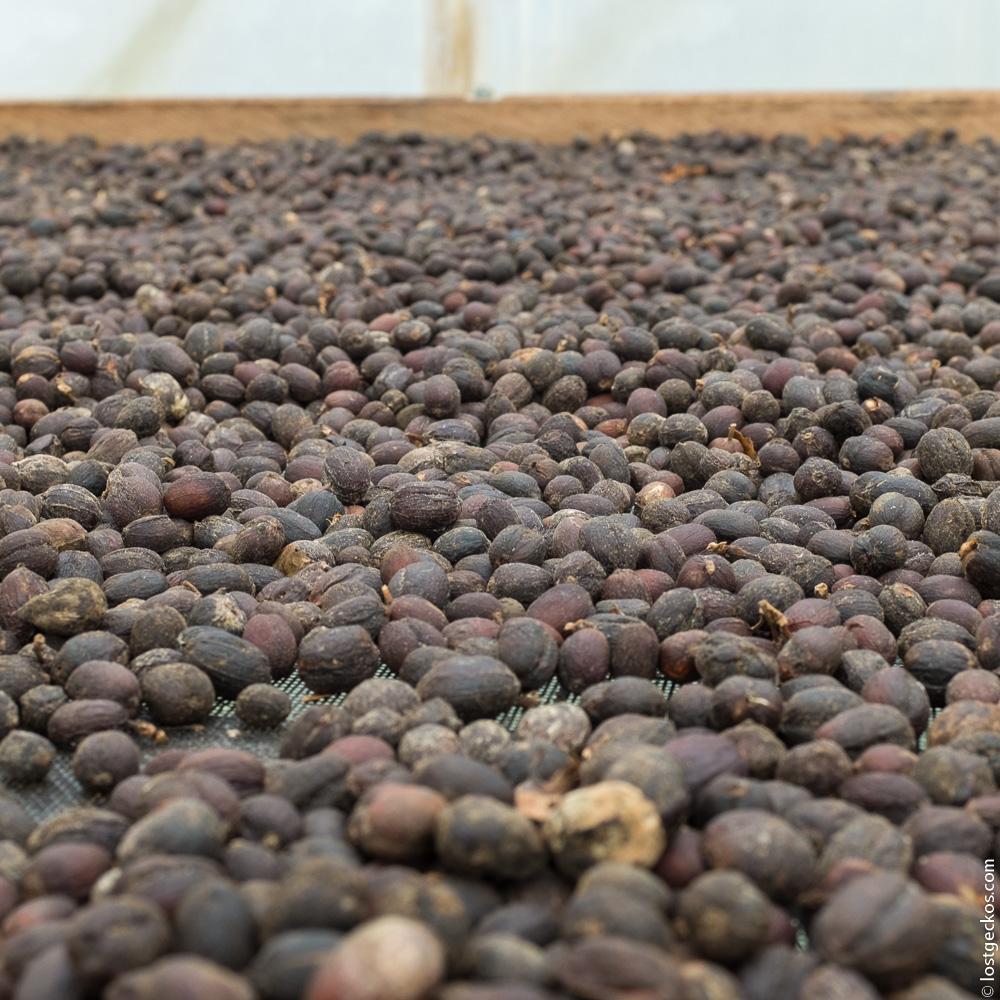
All coffee plantations in Colombia are owned by Colombians themselves (cafeteros), and none are under any international company. Juan Valdez has become the trademark of Colombian coffee fair trade, so if you see this mark, it means it is 100% Colombian-grown and harvested coffee beans.
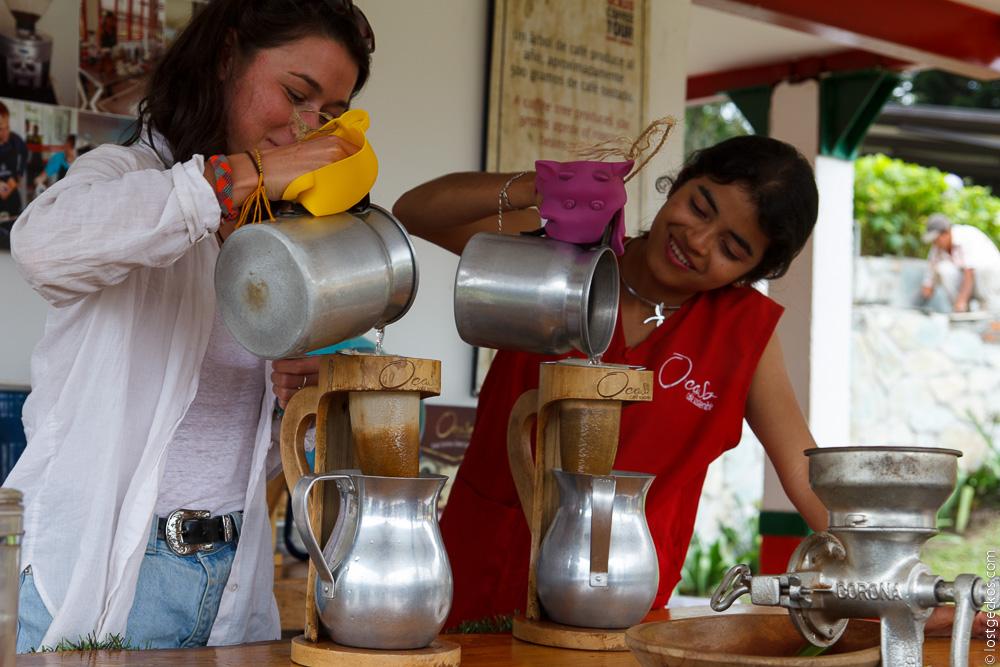
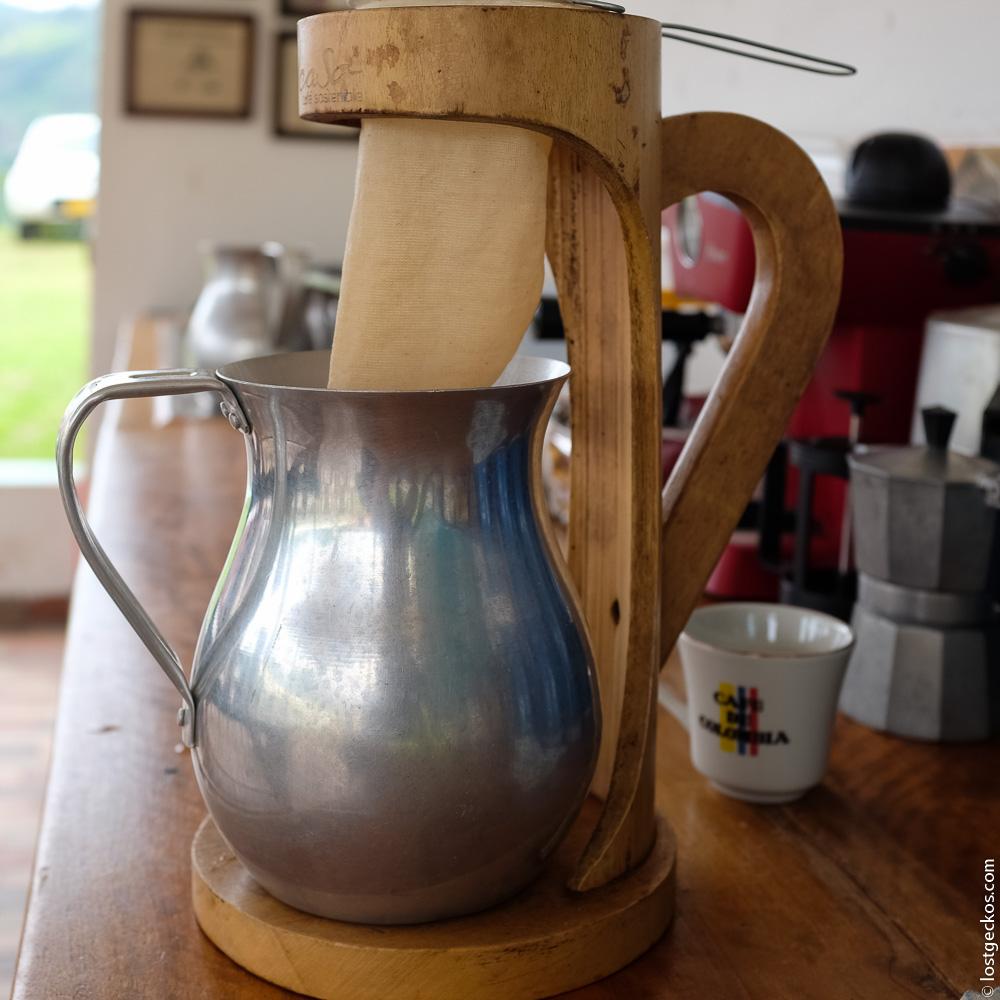
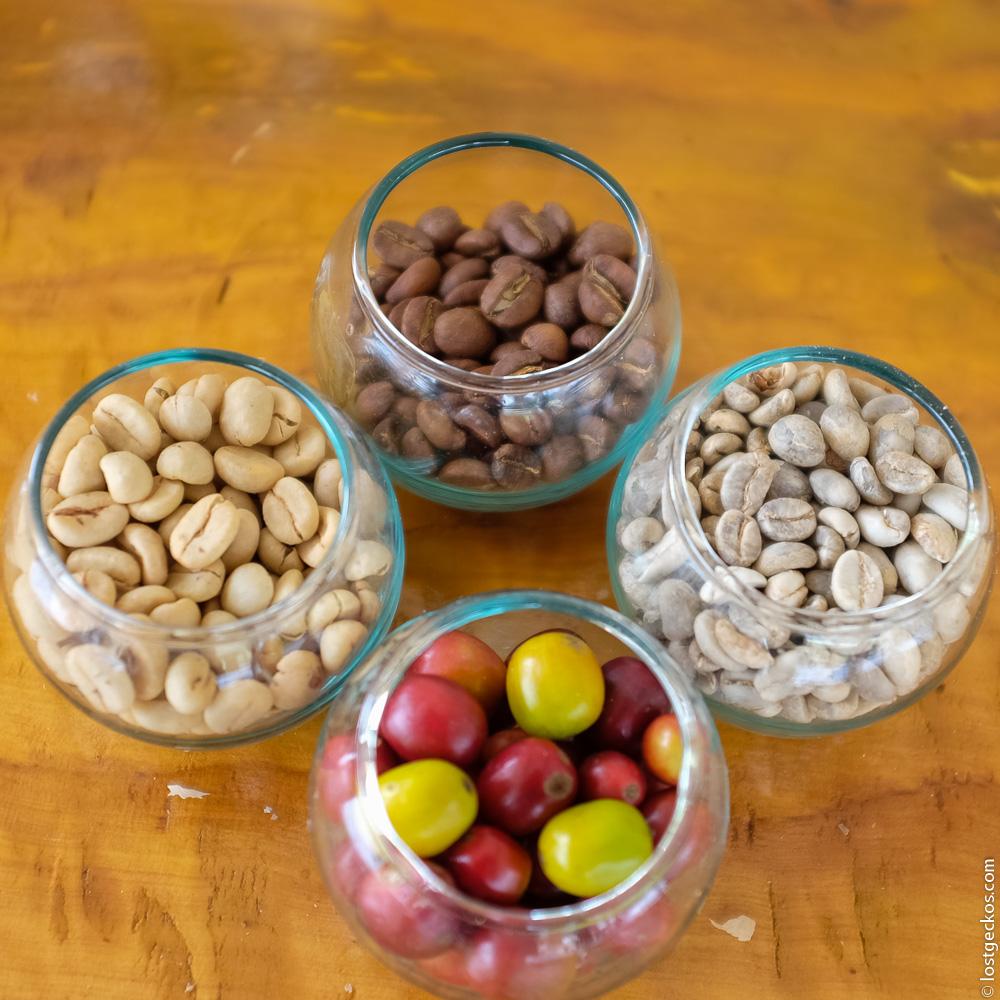
After learning how this Arabica magic beans are planted, grown, dried, and husked, Jasmina taught us how to prepare a cup of Colombian coffee. Different than the way the Europeans and the Middle Easterners prepare their coffee, the Colombians prefer their coffee to be thin and rather weak. Jasmina prepared us a cup of freshly brewed coffee, which honestly, was too mild to our taste, but very fragrant.
The overall experience at this coffee plantation was awesome, it’s very interesting to know how our most favorite magic beans are produced. You see, the tour was very informative, active, and interactive. The kind of tour that would give you a memorable experience and at the same time broaden your knowledge. Loved it!